
About the opportunity
What this programme is offering
Stanford Longevity Design Challenge 2026–2027: Win Up to $10,000 for Human-Centered Robotics
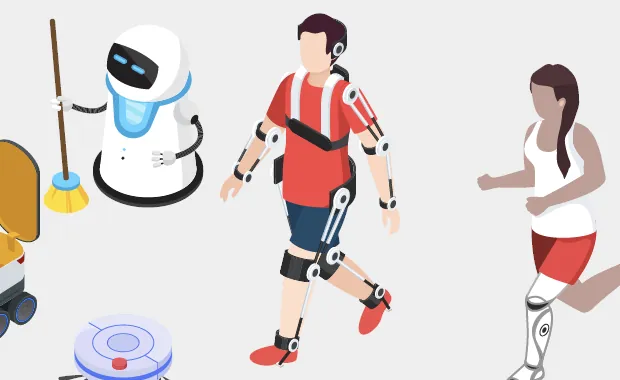
Theme: Human-Centered Robotics for Longevity
Organiser: Stanford Center on Longevity
Eligible applicants: University and college students worldwide
Team size: 1–5 students
Entry fee: Free
Top prize: $10,000
Other benefits: Cash prizes, expert mentorship and an opportunity to develop innovative solutions for real-world challenges
Application deadline: Check the official website for the confirmed deadline.
About the Stanford Longevity Design Challenge
The Stanford Center on Longevity invites university and college students worldwide to participate in the 2026–2027 Longevity Design Challenge, an international competition exploring how robotics can improve people's lives as they age and navigate different life stages.
Now in its fourteenth year, the challenge focuses on the theme “Human-Centered Robotics for Longevity.” It encourages students to develop practical, affordable and socially responsible robotic solutions that support longer, healthier and more connected lives.
The competition explores how technology can help individuals and families address everyday challenges without replacing the human relationships, care and community connections that make life meaningful.
Students are encouraged to think beyond advanced robotics and consider solutions that are simple, accessible and impactful, particularly for people with limited financial resources or access to emerging technologies.
Challenge Theme: Human-Centered Robotics for Longevity
People experience changing needs throughout their lives, including periods of transition, new responsibilities and changes in physical or cognitive abilities. However, many existing tools and systems do not adequately address the challenges individuals and families face.
The 2026–2027 challenge invites students to explore how robotic innovations can respond to issues such as:
Mobility limitations and physical safety concerns.
Chronic health conditions and changing care needs.
Caregiving responsibilities and family support.
Social isolation and reduced opportunities for connection.
Cognitive changes and the need for greater independence.
Financial barriers that limit access to helpful technologies.
Participants are encouraged to develop robotic tools that reduce everyday burdens, improve safety, support independence and create opportunities for meaningful engagement.
Solutions may range from low-cost mechanical devices to interactive smart systems. The emphasis is on human impact rather than technological complexity.
The goal is to design robotics that strengthen relationships and communities instead of replacing human care or widening social inequalities.
Competition Categories
The challenge invites teams to design solutions addressing life-course challenges across four competition categories. Applicants should consult the official website for the complete category descriptions and specific requirements for the 2026–2027 edition.
Projects should demonstrate how robotics can improve people's lives while preserving or enhancing human connection, dignity, autonomy and belonging.
Who Can Apply?
The competition is open to students enrolled during the 2026–2027 academic year at any accredited university or college worldwide.
To be eligible, applicants must meet the following requirements:
Teams must consist of one to five students.
Each team must include at least one full-time student.
Participants must be enrolled during the 2026–2027 academic year.
Students may come from any academic discipline.
If a team is selected as a finalist, only students may present the project.
There are no specific academic background requirements. Students studying design, engineering, business, social sciences, law, physical sciences, education, humanities and other fields are encouraged to participate.
This multidisciplinary approach allows students with different skills and perspectives to collaborate on solutions to real-world challenges.
Prizes and Benefits
The Longevity Design Challenge offers cash prizes to recognise outstanding student innovations.
AwardCash prizeFirst place$10,000Second place$5,000Third place$2,000Finalists$1,000
Finalists also receive mentorship from industry experts and researchers, providing an opportunity to refine their ideas and learn from professionals working in relevant fields.
Beyond the financial rewards, participation offers students a platform to apply their knowledge, collaborate across disciplines and develop solutions with the potential to make a meaningful difference in people's lives.
Applicants should consult the official rules to confirm the number of finalist awards and the terms governing prize eligibility.
What Kind of Projects Are Encouraged?
The challenge prioritises practical and accessible innovation. Students do not need to build the most sophisticated robot to develop a competitive idea.
Strong concepts should consider how a robotic solution could:
Help people maintain independence and move around more safely.
Reduce the physical or emotional burden on family caregivers.
Encourage social interaction and strengthen community connections.
Support people experiencing changing abilities or care needs.
Remain affordable and useful for people with limited resources.
Projects should demonstrate a clear understanding of the people they are designed to help and explain how the proposed technology can support, rather than replace, human relationships.
Entry Fee
There is no entry fee. Students can participate without paying a competition submission charge, making the challenge accessible to teams from different countries and academic backgrounds.
How to Apply
Interested students should visit the official Stanford Center on Longevity website to review the 2026–2027 theme, competition categories, application instructions and deadline.
Official website: https://longevity.stanford.edu/
Before applying, check the current challenge page for the confirmed deadline, submission requirements, judging criteria and any additional team eligibility conditions.
Why Students Should Participate
The Stanford Longevity Design Challenge is an opportunity for students to combine creativity, research and problem-solving to address challenges affecting individuals, families and communities.
Whether your background is in engineering, design, business or the social sciences, you can contribute ideas that make technology more accessible, supportive and human-centred.
If you are passionate about innovation and improving quality of life across generations, consider forming a team and developing a practical solution for the 2026–2027 challenge.
Start exploring your idea today and check the official website for the latest application details.
How to apply