Article
Read the full piece
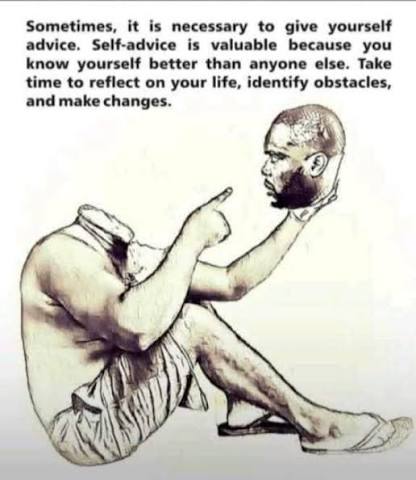
You have spent years learning how to understand other people. But how well do you actually understand yourself?
You know what your family expects.
You know what society celebrates.
You know what your friends think you should become.
You know what success looks like on social media.
But beneath all those voices is a quieter question:
Do you really know yourself?
Because you cannot meaningfully change what you refuse to see.
And sometimes the biggest obstacle standing between you and the life you want is not a lack of opportunity.
It is a lack of self-awareness.
Self-Awareness Begins With Honesty
Self-awareness is the courage to understand yourself honestly—your strengths, weaknesses, emotions, values, habits, triggers, fears and patterns.
It means noticing not only what you do, but asking why you keep doing it.
Why do you procrastinate?
Why do you become defensive when corrected?
Why do you keep returning to situations that hurt you?
Why do you need constant approval?
Why do you abandon your goals whenever progress becomes difficult?
These questions are uncomfortable.
But discomfort can be useful.
You cannot change a pattern you refuse to recognise.
Self-awareness gives you the opportunity to move from automatic reactions to intentional choices.
Your Patterns Are Telling You Something
Imagine someone who repeatedly starts new goals with excitement but abandons them after two weeks.
They blame lack of time.
Then motivation.
Then circumstances.
But perhaps the deeper issue is that they have never examined their relationship with discipline.
Another person constantly seeks approval and changes their opinions depending on who is around them.
Perhaps the real issue is not confidence—but an unclear sense of identity.
Someone else keeps getting into the same conflicts at work or in relationships.
Could the common factor be worth examining?
Self-awareness does not mean blaming yourself for everything.
It means becoming curious enough to ask:
“What part of this pattern belongs to me?”
That question can change everything.
Three Questions Worth Sitting With
Don't answer these quickly.
1. What truth about yourself have you been avoiding because accepting it would require you to change?
2. What keeps happening in your life that you can no longer honestly call “just bad luck”?
3. If you stopped worrying about disappointing everyone else, what decision would you make differently?
Your answers may reveal more than another motivational speech ever could.
The 5-Minute Self-Awareness Check
Put your phone down.
Take five quiet minutes and answer these questions without trying to sound impressive.
1. What are three qualities I genuinely value about myself?
2. What behaviour repeatedly creates problems in my life?
3. What situation or criticism triggers me more than it should—and why?
4. What am I doing mainly because I want other people to approve of me?
5. What is one change I already know I need to make but keep postponing?
Don't edit your answers.
Don't write what you think you should feel.
Write what is actually true.
Self-discovery begins where self-deception ends.
DO THIS TODAY
Insight is valuable.
But insight without action changes very little.
So before today ends, do these three things:
1. Name Your Strengths
Write down three strengths you often overlook.
Don't dismiss them because they feel ordinary. Your natural abilities may be so familiar to you that you no longer recognise their value.
2. Identify One Repeating Weakness
Choose one behaviour that consistently holds you back.
Write down when it usually happens, what triggers it and what you will do differently the next time.
Make it specific.
3. Invite Honest Feedback
Ask someone you trust:
“What is one thing about myself that you think I may not see clearly?”
Then listen.
Don't defend yourself.
Don't explain.
Don't argue.
Just listen.
You don't have to agree with everything they say. But you may discover something worth examining.
Self-Awareness Builds Confidence
Real confidence is not believing you are perfect.
It is knowing yourself well enough to understand both your strengths and your limitations.
When you know your values, decisions become clearer.
When you understand your emotions, you become less controlled by them.
When you recognise your weaknesses, you can build strategies around them.
When you understand what gives your life meaning, your sense of purpose becomes stronger.
This is where emotional intelligence, personal development and self-discovery become practical—not abstract ideas, but tools for living better.
You stop asking, “How do I become who everyone expects me to be?”
And begin asking:
“Who am I, and what kind of person am I intentionally becoming?”
You Don't Need to Become Someone Else
Self-awareness is not about creating a flawless version of yourself.
It is about becoming honest enough to work with the person you actually are.
You will discover strengths.
You will discover weaknesses.
You will uncover habits you are proud of—and patterns you are not.
That's okay.
Growth does not begin with perfection.
It begins with recognition.
You cannot rewrite a story you refuse to read.
You cannot change a direction you refuse to examine.
And you cannot build a meaningful life while remaining a stranger to yourself.
Your Challenge Starts Now
Don't just read this and move on.
Take 10 minutes today. Get quiet. Put your phone away. Take out a notebook and meet yourself honestly.
Write down what you discovered.
Choose one thing to change.
Then take one small step before the day ends.
Because the goal is not simply to know yourself better.
The goal is to become more intentional about the person you are becoming.
Stop. Look within. Tell yourself the truth—and let that truth become the beginning of your growth.
More from the journal