Article
Read the full piece
This question is closely related to "Why are you leaving your current job?", but it focuses on your employment history. The panel wants to understand the circumstances surrounding your departure and assess your professionalism.
Interviewers are trying to determine:
Was your departure voluntary or involuntary?
Did you leave on good terms?
Were there performance or disciplinary issues?
Are you someone who changes jobs frequently?
Will you likely leave this organization for similar reasons?
Can you speak professionally about previous employers?
This is not simply a question about your past—it is a question about your character, maturity, and professional judgment.
WHAT INTERVIEWERS ARE REALLY ASKING
Behind this question are several hidden concerns:
"Can we trust this candidate?"
"Will they remain committed to our organization?"
"How do they handle professional transitions?"
"Do they take responsibility or blame others?"
THE P.R.O.F.E.S.S. METHOD
A structured way to answer this question is:
P – Positive Opening
Start by expressing appreciation for your previous employer.
R – Recognize What You Learned
Highlight the experience and skills you gained.
O – Objective Reason
Explain the genuine reason for leaving.
F – Future Focus
Shift the conversation toward your career goals.
E – Explain the Opportunity
Connect your reason to the new role.
S – Show Professionalism
Demonstrate respect and maturity.
S – Summarize Positively
End with enthusiasm for the new opportunity.
EXECUTIVE-LEVEL MASTER ANSWER
"Thank you for the question.
I genuinely appreciate the opportunity I had with my previous employer. During my time there, I gained valuable experience, worked with talented professionals, and developed important skills in leadership, stakeholder engagement, project coordination, and organizational performance.
The decision to leave was not based on dissatisfaction with the organization or the people I worked with. Rather, I reached a point where I felt I had achieved significant professional growth in that role and was ready for new challenges that would allow me to broaden my experience and contribute at a higher level.
I was looking for an opportunity that offered greater responsibility, increased exposure to strategic initiatives, and stronger alignment with my long-term career aspirations.
When I learned about this position, I recognized a strong match between the organization's objectives, the role's responsibilities, and my professional experience. That alignment motivated me to apply.
I remain grateful to my previous employer for the opportunities they provided, and I believe the experience I gained there has prepared me well to make a meaningful contribution in this role."
SCENARIO 1: YOU LEFT FOR CAREER GROWTH
This is one of the strongest and safest answers.
Sample Answer
"I left my previous employer because I had reached a stage where I was seeking greater professional growth and new challenges.
I had learned a great deal in my role and appreciated the opportunities I was given. However, I wanted to take on broader responsibilities, continue developing my skills, and contribute in a role with greater strategic impact.
This opportunity aligns very well with those aspirations."
SCENARIO 2: YOUR CONTRACT ENDED
Sample Answer
"My previous position was based on a fixed-term contract, which came to its natural conclusion.
During the contract, I was able to contribute meaningfully, develop valuable professional skills, and achieve the objectives of my role.
Following the completion of the contract, I began seeking opportunities where I could continue growing professionally and make a long-term contribution. This position is an excellent fit for my experience and career goals."
SCENARIO 3: ORGANIZATIONAL RESTRUCTURING
Sample Answer
"My departure resulted from organizational restructuring, which affected several positions, including mine.
Although it was an unexpected transition, I value the experience I gained and remain grateful for the opportunities I had to contribute and grow professionally.
Since then, I have focused on identifying opportunities where I can apply my experience and continue contributing to organizational success."
SCENARIO 4: RELOCATION
Sample Answer
"I left my previous employer because I relocated, making it impractical to continue in my previous position.
It was a positive professional experience, and I remain appreciative of everything I learned there.
Following my relocation, I began looking for opportunities where I could continue building my career, and this position aligns well with my experience and aspirations."
SCENARIO 5: LIMITED GROWTH OPPORTUNITIES
This must be handled diplomatically.
Sample Answer
"While I appreciated my previous role and the experience I gained, I reached a point where opportunities for further professional development were limited.
I wanted to continue expanding my skills, taking on additional responsibilities, and contributing in new ways.
That is one of the reasons I was attracted to this opportunity."
SCENARIO 6: SEEKING A ROLE MORE ALIGNED WITH YOUR SKILLS
Sample Answer
"I wanted to move into a role that more closely aligns with my professional strengths, experience, and long-term career goals.
After reviewing this position, I saw a strong connection between my background and the responsibilities of the role, which motivated me to pursue the opportunity."
IF YOU WERE LAID OFF
A layoff is not a reflection of poor performance. Be honest and concise.
Sample Answer
"My position was affected by organizational restructuring and cost-reduction measures.
Although it was disappointing, I understood the business reasons behind the decision.
I used the transition as an opportunity to strengthen my professional skills and identify a position where I can continue making a meaningful contribution."
IF YOU WERE TERMINATED
If asked directly, always be truthful, but focus on learning and growth.
Sample Approach
"I learned valuable lessons from that experience and took time to reflect on how I could improve professionally. Since then, I have strengthened my skills, sought feedback, and consistently applied those lessons in subsequent roles. I believe the experience made me a more mature and effective professional."
Do not become defensive or blame others.
WHAT INTERVIEWERS WANT TO HEAR
Your answer should communicate:
✅ Professionalism
✅ Gratitude
✅ Career progression
✅ Positive attitude
✅ Respect for previous employers
✅ Long-term thinking
✅ Readiness for the new role
COMMON MISTAKES TO AVOID
Never say:
❌ "My boss was terrible."
❌ "The management was incompetent."
❌ "There was too much office politics."
❌ "I wasn't appreciated."
❌ "The salary was bad." (unless compensation is explicitly discussed later)
❌ "I hated the work."
❌ "My colleagues were difficult."
❌ "The organization was disorganized."
Even if these reasons influenced your decision, presenting them this way can make you appear negative and difficult to work with.
THE HIDDEN QUESTION
When interviewers ask:
"Why did you leave your previous employer?"
They are often asking:
"If we hire you, what will make you stay?"
Your answer should reassure them that:
You make thoughtful career decisions.
You leave professionally.
You value growth and contribution.
You respect your former employers.
You are genuinely interested in this opportunity.
THE GOLDEN FORMULA
The strongest candidates answer this question using:
GRATITUDE → EXPERIENCE → REASON → FUTURE → ALIGNMENT
For example:
"I am grateful for the experience I gained with my previous employer, where I developed valuable skills in project management, stakeholder engagement, and leadership. After achieving significant professional growth in that role, I decided to pursue opportunities that offered broader responsibilities and greater strategic impact. This position stood out because it aligns closely with my experience, career aspirations, and desire to contribute meaningfully to your organization's success."
This approach leaves the interview panel with the impression that you are professional, respectful, career-focused, and motivated by growth rather than dissatisfaction—qualities that make you a strong and trustworthy candidate.
More from the journal
Related reading
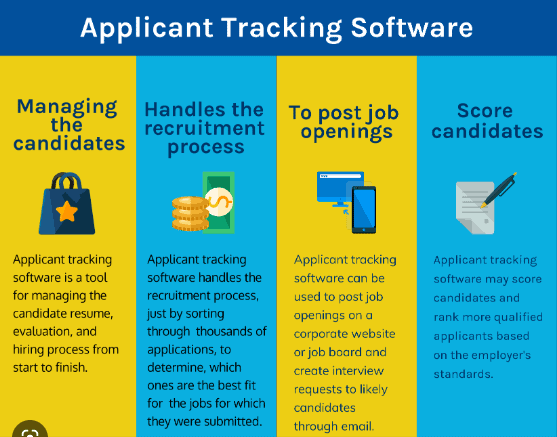
How ATS Systems Read Your CV: What Happens After You Click “Submit”?
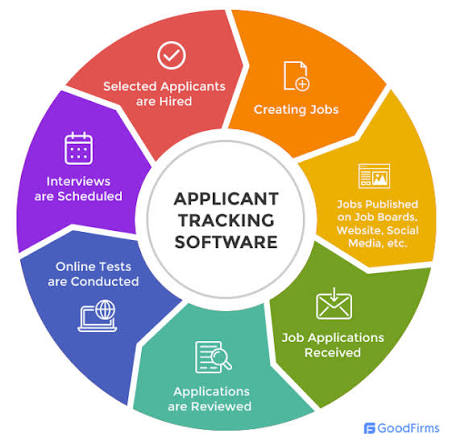
Applicant Tracking Systems: What Every Job Seeker Needs to Know